
products
‹
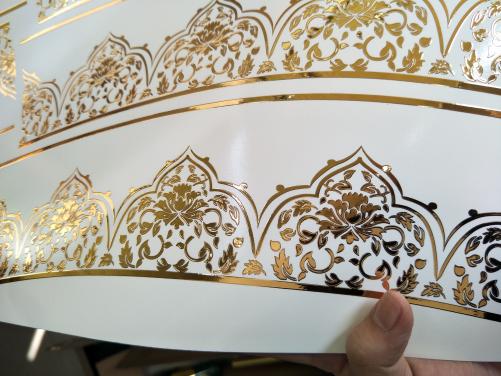
›
‹
›
喷墨与激光通用纹身转印纸
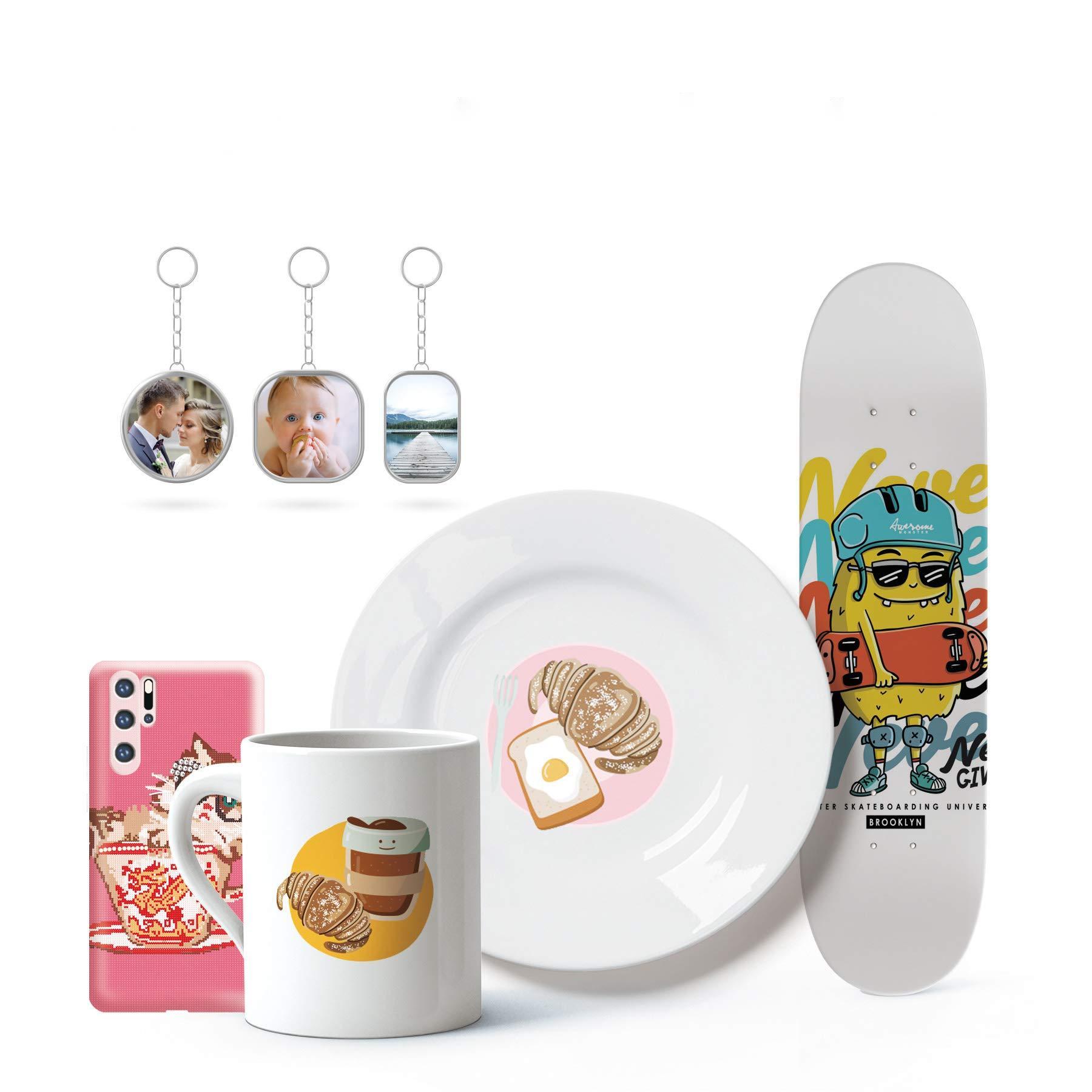
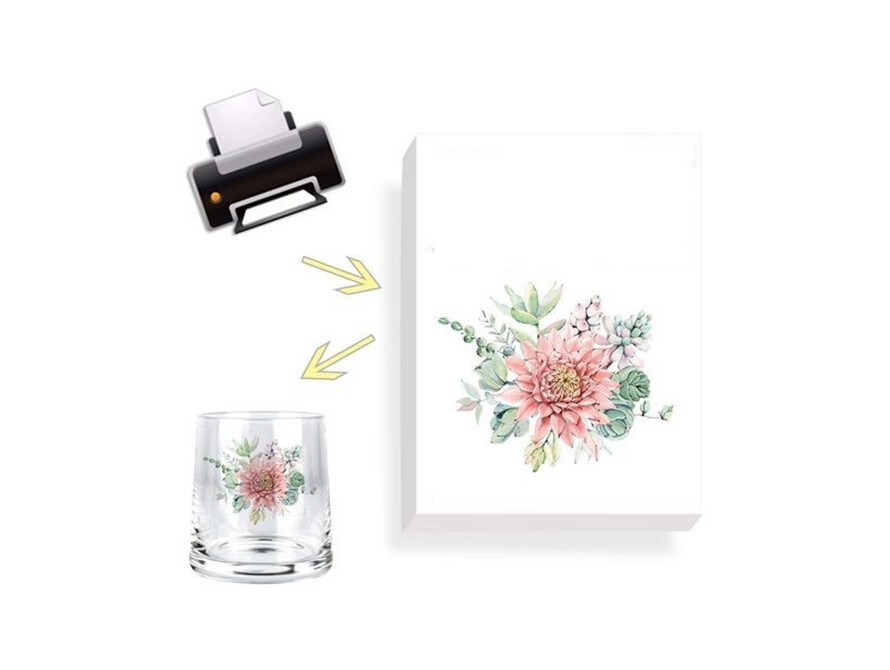
与仅适用于平面的传统贴纸不同,水转印纸可覆盖平面、曲面、异形面、凹凸不平等复杂形状。无需专业印刷设备,个人与企业均可轻松操作。广泛应用于个性化定制、工业化生产与手工创作。
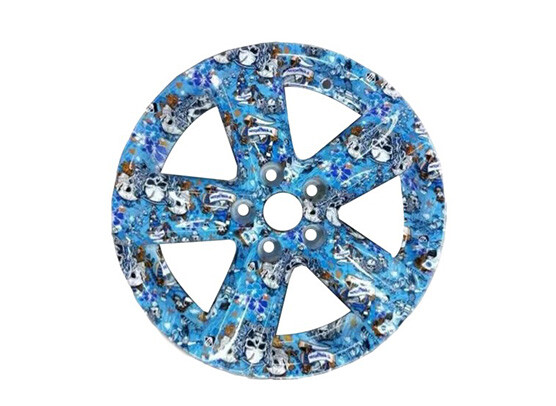
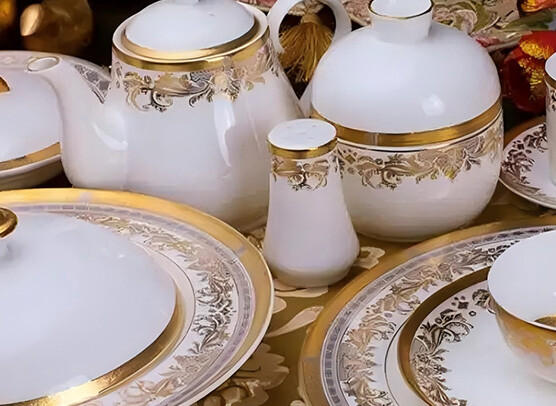
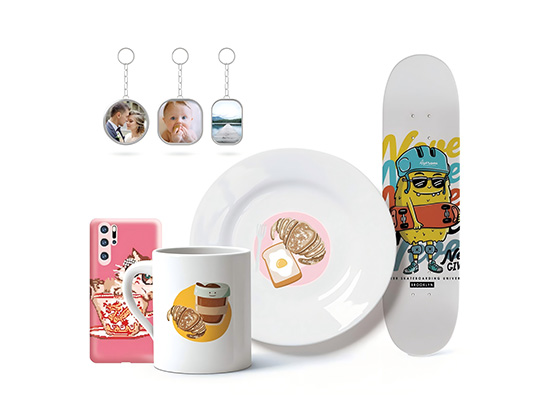
-承印物前处理:转印前清洁承印物表面(无油污、无粉尘);对玻璃、金属等光滑材质轻度打磨,以提升附着力;
-活化剂选择:活化型水转印膜需配套专用活化剂(不可用酒精/汽油替代,以免图案溶解);按 1:1 比例稀释后均匀喷涂;
-干燥与固化:转印后自然风干(常温 2-4 小时)或低温烘干(50℃ 烘干 30 分钟);干燥前避免触碰,以防图案移位;
-后道加固:对长期户外使用或频繁接触的产品(如汽车配件、水杯),转印后喷涂一层透明保护漆,以提升耐候性与耐磨性。
Answer: It depends on your substrate material, usage scenario, and operation needs:
For personal DIY (e.g., mug/phone case customization) with no professional tools: Choose Self-Adhesive Decalcomania paper (no activator required, easy to operate).
For industrial mass production (e.g., auto parts/toys) needing strong adhesion: Opt for Activated Water Transfer Film (matches activator for wear resistance).
For light/transparent substrates (e.g., glass cups/resin crafts): Select Transparent-Base Decalcomania paper (no background interference).
For dark substrates (e.g., black metal/dark plastic): Pick White-Base Decalcomania paper (enhances color brightness, no color penetration).
Answer: It works on most common materials, but not all. Suitable substrates include plastic, metal, glass, ceramic, wood, and resin. It is NOT recommended for porous materials (e.g., uncoated paper, fabric) or materials that dissolve in water (e.g., some low-density foams). For smooth materials (e.g., polished metal), lightly sand the surface first to improve adhesion.
Answer: To ensure high-quality pattern reproduction, provide files in AI (vector format), PSD (layered format), or HD JPG (high-definition image format). The minimum resolution required is 300 dpi (dots per inch) – lower resolution may cause blurry or jagged patterns after transfer. For large-size roll paper customization, vector files (AI) are preferred to avoid distortion during scaling.
Answer: No special equipment is needed for basic use:
For Self-Adhesive Decalcomania paper: Only need water (room temperature), a soft cloth (to smooth the pattern), and scissors (to cut the paper).
For Activated Water Transfer Film: In addition to water and a cloth, you need the matching special activator (do not use alcohol or gasoline as substitutes) and a spray bottle (to apply the activator evenly).
For industrial mass production: You can use roll-fed printers or automatic transfer machines to improve efficiency, but these are optional.
Answer: The durability depends on the paper type and post-treatment:
Under normal indoor use (e.g., decorative phone cases, indoor crafts), the pattern can last 1-3 years without fading or peeling.
For outdoor or frequently used items (e.g., auto parts, water cups), spray a layer of transparent sealant after transfer – this extends the service life to 3-5 years and enhances wear/water resistance.
Avoid prolonged exposure to strong sunlight or frequent soaking in water (unless sealed), as this may accelerate fading.
Answer: Bubbles/wrinkles are usually caused by improper operation – here’s how to fix and prevent them:
Bubbles: Use a soft cloth or a small squeegee to gently press the pattern from the center to the edges, squeezing out air bubbles. If bubbles are small, you can also pierce them with a needle and press to release air.
Wrinkles: Avoid moving the paper once it touches the substrate. If wrinkles occur, carefully lift the paper (while it’s still wet) and reposition it, then smooth it immediately.
Prevention: Ensure the substrate surface is clean (no dust/oil) and the paper is fully soaked (but not over-soaked) before transfer.
Answer: Yes, it is relatively environmentally friendly:
The base material of Decalcomania paper is water-soluble and degradable, so it does not pollute the environment during use.
No VOCs (volatile organic compounds) are emitted during the transfer process, unlike spray painting which releases harmful solvents.
Waste paper (unused or leftover) can be treated as general paper waste – it dissolves in water and does not require special hazardous waste disposal. However, paper with printed patterns is not suitable for recycling (due to ink), so it should be disposed of according to local municipal waste regulations.
Answer: Yes, it is ideal for photo printing:
Use White-Base Decalcomania paper for light-colored mugs (to make photo colors brighter) or Transparent-Base Decalcomania paper for clear glass mugs.
Ensure the photo file is HD (resolution ≥300 dpi) and in JPG/PSD format – this ensures facial details are not blurry after transfer.
After transfer, let the mug dry naturally for 4 hours, then bake it in an oven at 150℃ for 20 minutes (if the mug is heat-resistant) – this makes the photo microwave-safe and prevents fading when washing.
获取报价
相关推荐
 Kemeng Laser Water Transfer Paper Blue Transfer Printing A4 Clear/Transparent Waterslide Decal Paper Laser Printer Ceramic
 Universal Inkjet Laser Printable Tattoo Paper Temporary Water Transfer Sheet For Festivals Wedding Classroom Projects And Events
 Water Resistant Printable Tattoo Paper for Laser Printer High Clarity Temporary Body Transfer Sheets DIY Art Projects Displays
 Decalcomania paper
First class quality service and professional after-sales team.
In order to provide you the suitable machine , pls offer below message for us
Get in Touch
We respect your confidentiality and all information are protected.